
The Brazilian ready-to-eat meal market has traditionally been associated with convenience and as a solution for busy days. Shifts in consumer attitudes and innovations in the category mean that it no longer caters solely to those looking for a substitute for a home-cooked meal, but also to consumers who want to plan their week, control portion sizes, and enjoy more flexible options.
What can we expect from the ready-to-eat meal market?
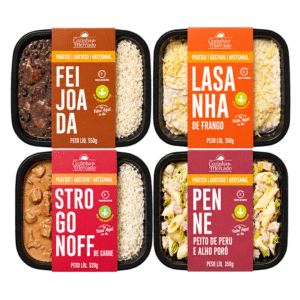
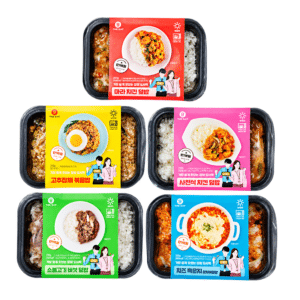
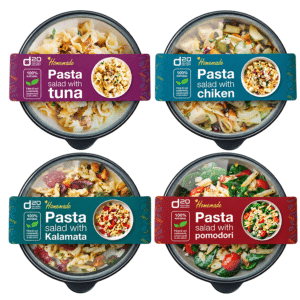
According to a JBS estimate presented by Mintel, the packed lunches and ready-made meals segment in Brazil is worth R$ 12 billion. With changing family habits and the rising cost of eating out, the category has begun to attract investment from large companies. The segment, once limited to small producers and neighborhood lunch spots, now offers more complex and nutritious meals tailored to different audiences.
The competition is out of the freezer
The main competitors for ready-to-eat meals are food delivery and foodservice, and the cost of eating out helps explain this trend. Mintel notes that 54% of consumers would cut back on restaurant meals if they were concerned about their financial situation, and that 59% of foodservice consumers believe that eating out has become more expensive in recent years. Among those who work or study, 36% usually pack lunches instead of eating at restaurants.
In this context, a ready-to-eat meal offers speed, predictable costs, and portion control, but it now competes for the same consumer market as app-based food orders. Since 65% of consumers prefer more indulgent options when ordering delivery, convenience must be paired with great taste and an experience on par with what foodservice offers.
Frozen and Canned Foods: Formats for Different Regions
The choice of format also varies by region. In the Southeast, the higher preference for refrigerated and frozen foods creates an opportunity to expand the range of complete meals and side dishes in these formats, and 43% of consumers in the region are motivated by microwave-safe products—the highest percentage among the country’s regions.
In the North, however, lower demand for frozen and refrigerated foods suggests that growth in this category may depend on other formats. In a region characterized by long logistics distances and a strong tradition of pantry staples, canned goods, ready-to-eat proteins, and shelf-stable side dishes tend to find a market.
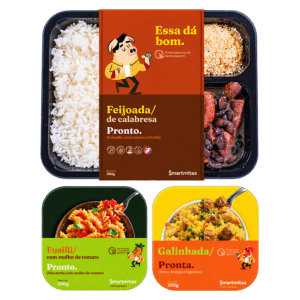
This type of solution is already available in retail stores. Smartmitas, a product line developed by the foodtech company Intelligent Foods, has reached more than 40 OXXO stores in São Paulo with meals that undergo heat sterilization and can be stored at room temperature for up to six months without chemical preservatives
Different profiles call for more targeted solutions
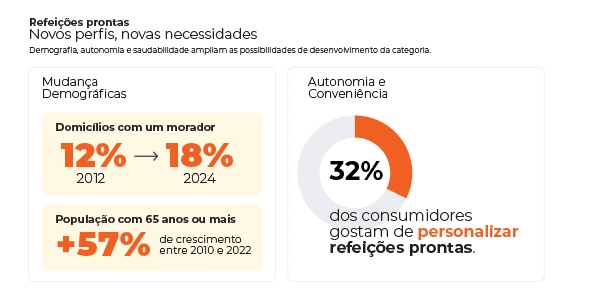
Demographic changes are increasing the need for more targeted solutions. Households with only one resident rose from 12.2% in 2012 to 18.6% in 2024, according to the IBGE, and the number of people aged 65 or older has grown 57.4% over 12 years, according to the 2022 Census.
As a result, individual portions and packaging that allow consumers to eat only part of the contents are gaining importance, and the packaging itself has become part of the value proposition: ease of preparation and the ability to eat directly from the package are among the main factors driving consumer choice in this category. In addition, 32% of consumers like to customize ready-to-eat meals, which increases the appeal of prepared proteins, grains, vegetables, sauces, and meal kits that allow for some flexibility in putting together the dish.
Healthy eating is following the same trend. About 39% of consumers try to avoid ready-made meals because they consider most options to be ultra-processed, but the combination of claims such as “source of vitamins and minerals,” “high protein content,” and “no artificial ingredients” appeals to 64% of consumers in this category.
Different profiles call for more targeted solutions
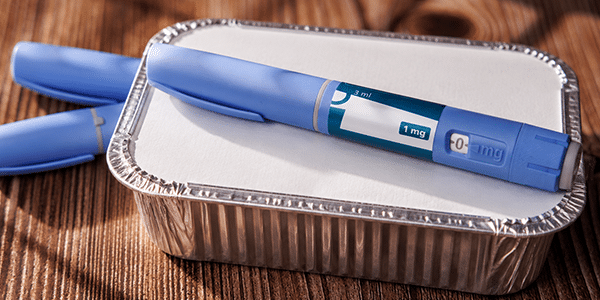
Current and former users of GLP-1 medications still represent a small portion of consumers (8% of those surveyed by Mintel), but they are part of a rapidly expanding market in the country. With smaller portion sizes, this group consumes ready-to-eat meals more frequently and on more occasions, including outside of main meals, such as breakfast and snacks. The use of these medications requires medical and nutritional monitoring, and the industry’s interest lies in the associated eating behaviors.
For this demographic, ready-to-eat meals help with meal planning: 35% consume more weekly meal kits to maintain a consistent routine, compared to 18% of non-users, and 38% express interest in smaller-portion meals, compared to 24% of all consumers surveyed. Against this backdrop, there is a growing trend toward the launch of protein-rich products aimed at this demographic, which seeks a healthier, more nutritionally dense, and more flexible diet.
Among current and former users, 38% say that ready-made meals add variety to their diet, compared with 29% of non-users, and 26% value meals inspired by restaurants or chefs, compared with 16%.
How is New Max keeping pace with this transformation?
At New Max, we monitor consumer trends to support the development of frozen, refrigerated, and canned ready-to-eat meals that meet new demands. For our R&D teams, this means considering formulation, portion sizes, preservation, preparation methods, and packaging from the very start of the project, using seasonings, flavorings, and sauces that deliver an experience capable of competing with food delivery and foodservice. Our work combines ingredients, application, and technical expertise to transform trends into products that make sense for both consumers and the manufacturing process.
Talk to our technical team and explore new possibilities for developing ready-to-eat meals.